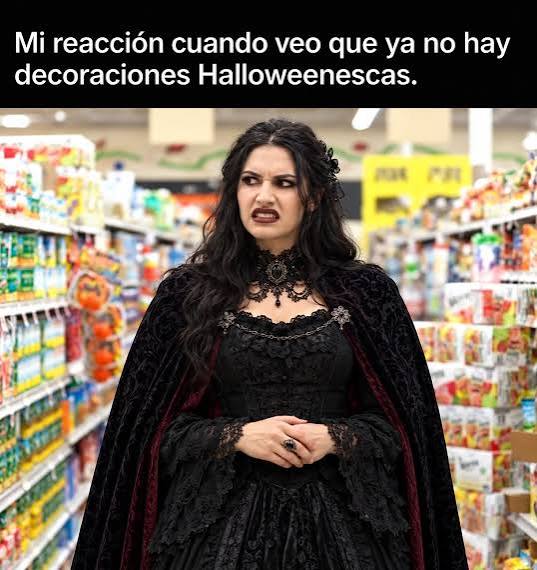
Noche de Brujas is a Spanish expression that translates to “Night of the Witches.” It is another name for Halloween, the annual celebration held on October 31. The occasion is associated with costumes, pumpkins, haunted decorations, scary stories, parties, and trick-or-treating.
Although the name sounds mysterious, modern Noche de Brujas is mainly a festive occasion for families, children, and people who enjoy Halloween activities. Its history, however, goes back much further than today’s costumes and Halloween parties.
When Is Noche de Brujas Celebrated
Noche de Brujas takes place every year on October 31, the night before November 1, which is All Saints’ Day in the Christian calendar.
In 2026, Noche de Brujas falls on Saturday, October 31.
The celebration is particularly popular in the United States, Canada, Ireland, and the United Kingdom. It is also observed in Spain and several Latin American countries, although local customs and levels of participation vary.
What Does Noche de Brujas Mean in English
The Spanish words have straightforward meanings:
- Noche means night.
- De means of.
- Brujas means witches.
Together, Noche de Brujas means Night of the Witches.
The expression is commonly used in Spanish-speaking communities to describe Halloween. It reflects the holiday’s association with witches, ghosts, supernatural characters, and spooky activities.
Other Spanish expressions associated with Halloween include Día de Brujas, meaning Day of the Witches, and Halloween itself, which is also widely used.
History and Origin of Noche de Brujas
The history of Noche de Brujas is closely connected to the development of Halloween.
One of the oldest influences is the ancient Celtic festival of Samhain, traditionally observed around October 31 and November 1. It marked the end of the harvest season and the beginning of the darker winter months in parts of ancient Celtic Europe.
People associated this seasonal transition with the supernatural. Some believed that the boundary between the living and the dead became less distinct during this period. Fires, seasonal gatherings, and customs involving disguises became part of the traditions associated with the occasion.
Over time, these customs mixed with Christian observances, including All Saints’ Day and All Souls’ Day. The English expression All Hallows’ Eve, meaning the evening before All Saints’ Day, eventually developed into the word Halloween.
Halloween later became especially popular in North America, where Irish and Scottish immigrants helped spread traditional customs. Over the years, it developed into the modern celebration known for costumes, candy, decorations, and community events.
Popular Noche de Brujas Traditions
Although celebrations differ from one country to another, several activities are commonly associated with Noche de Brujas.
1. Wearing Halloween Costumes
Costumes are among the most recognizable parts of Halloween. Children and adults dress as witches, vampires, ghosts, skeletons, monsters, superheroes, and characters from popular movies.
Some people choose frightening outfits, while others prefer funny or creative costumes.
2. Trick-or-Treating
Trick-or-treating is a popular Halloween activity, particularly in North America.
Children dress up and visit participating homes in their neighborhoods to ask for candy and other treats. They traditionally say, “Trick or treat!” when someone opens the door.
3. Pumpkin Decorations
Pumpkins are another major symbol of Noche de Brujas.
People carve faces into pumpkins, place lights inside them, and display them outside their homes. These decorations are commonly called jack-o’-lanterns.
4. Halloween Parties
Many communities, schools, workplaces, and families organize Halloween parties.
These events may include costume competitions, themed food, music, games, dancing, and decorations inspired by witches and haunted houses.
5. Watching Horror Movies
Halloween is also a popular time to watch horror films, supernatural dramas, and suspense stories.
Some people prefer family-friendly Halloween movies, while others enjoy traditional horror films designed to create a frightening atmosphere.
6. Decorating Homes and Streets
Homes, shops, and public spaces may be decorated with fake spiderwebs, skeletons, bats, witches, tombstones, and glowing pumpkins.
These decorations help create the spooky atmosphere associated with the night.
How Is Noche de Brujas Celebrated in Spanish-Speaking Countries
Halloween is not celebrated in exactly the same way across every Spanish-speaking country.
In Mexico, for example, Halloween activities such as costumes and trick-or-treating can take place alongside preparations for Día de Muertos, or Day of the Dead, which is observed around November 1 and 2.
In Spain, Halloween parties, school activities, costumes, and themed events have become familiar in many communities.
Other Latin American countries also organize Halloween celebrations, although local traditions, religious practices, and cultural events influence how the occasion is observed.
It is important to understand that Halloween and Día de Muertos are not the same celebration. Halloween focuses largely on costumes, entertainment, and spooky themes, while Día de Muertos is a cultural tradition centered on remembering and honoring deceased loved ones.
Difference Between Noche de Brujas and Día de Muertos
Although both occasions occur around the end of October and beginning of November, they have different meanings and traditions.
| Noche de Brujas (Halloween) | Día de Muertos |
|---|---|
| Celebrated on October 31 | Traditionally observed November 1 and 2 |
| Associated with costumes and spooky decorations | Focuses on remembering deceased loved ones |
| Includes trick-or-treating and Halloween parties | Includes family altars, offerings, and remembrance |
| Popular in North America and other countries | Deeply rooted in Mexican cultural traditions |
Both celebrations have connections to ideas about death and the supernatural, but they should not be treated as interchangeable holidays.
Why Is Noche de Brujas So Popular
Noche de Brujas has become popular internationally for several reasons.
Movies, television programs, social media, music, and international entertainment have helped introduce Halloween traditions to audiences around the world.
The celebration also offers opportunities for creativity and social activities. People can dress up, decorate their homes, attend parties, share photographs, and enjoy themed entertainment.
For businesses, Halloween is also an important seasonal period for selling costumes, decorations, sweets, and party supplies.
Frequently Asked Questions About Noche de Brujas
Is Noche de Brujas the same as Halloween
Yes. Noche de Brujas is a Spanish expression commonly used to refer to Halloween, which takes place on October 31.
What date is Noche de Brujas in 2026
Noche de Brujas will be celebrated on Saturday, October 31, 2026.
What does Noche de Brujas mean in English
It means Night of the Witches. The phrase refers to Halloween and its traditional association with witches and supernatural themes.
Why is Halloween called Noche de Brujas
The name reflects the traditional Halloween imagery of witches, ghosts, spirits, and other mysterious characters. It is a Spanish-language name for the celebration.
Do people celebrate Noche de Brujas in Mexico
Yes. Halloween activities such as costume parties and trick-or-treating take place in Mexico, although they exist alongside the country’s important Día de Muertos traditions.
Is Noche de Brujas a religious holiday
Modern Halloween is generally celebrated as a cultural and entertainment event. However, its history includes older seasonal customs and connections with Christian observances.
Final Thoughts
Noche de Brujas is simply another name for Halloween in Spanish. Celebrated every October 31, it brings together costumes, pumpkins, parties, scary stories, and other activities that make the night recognizable around the world.
Its history is connected to ancient Celtic seasonal traditions and later European religious observances. Today, it has grown into an international celebration that people enjoy in different ways depending on their culture and local customs.
Whether someone calls it Halloween or Noche de Brujas, the occasion remains one of the best-known celebrations associated with the final days of October.