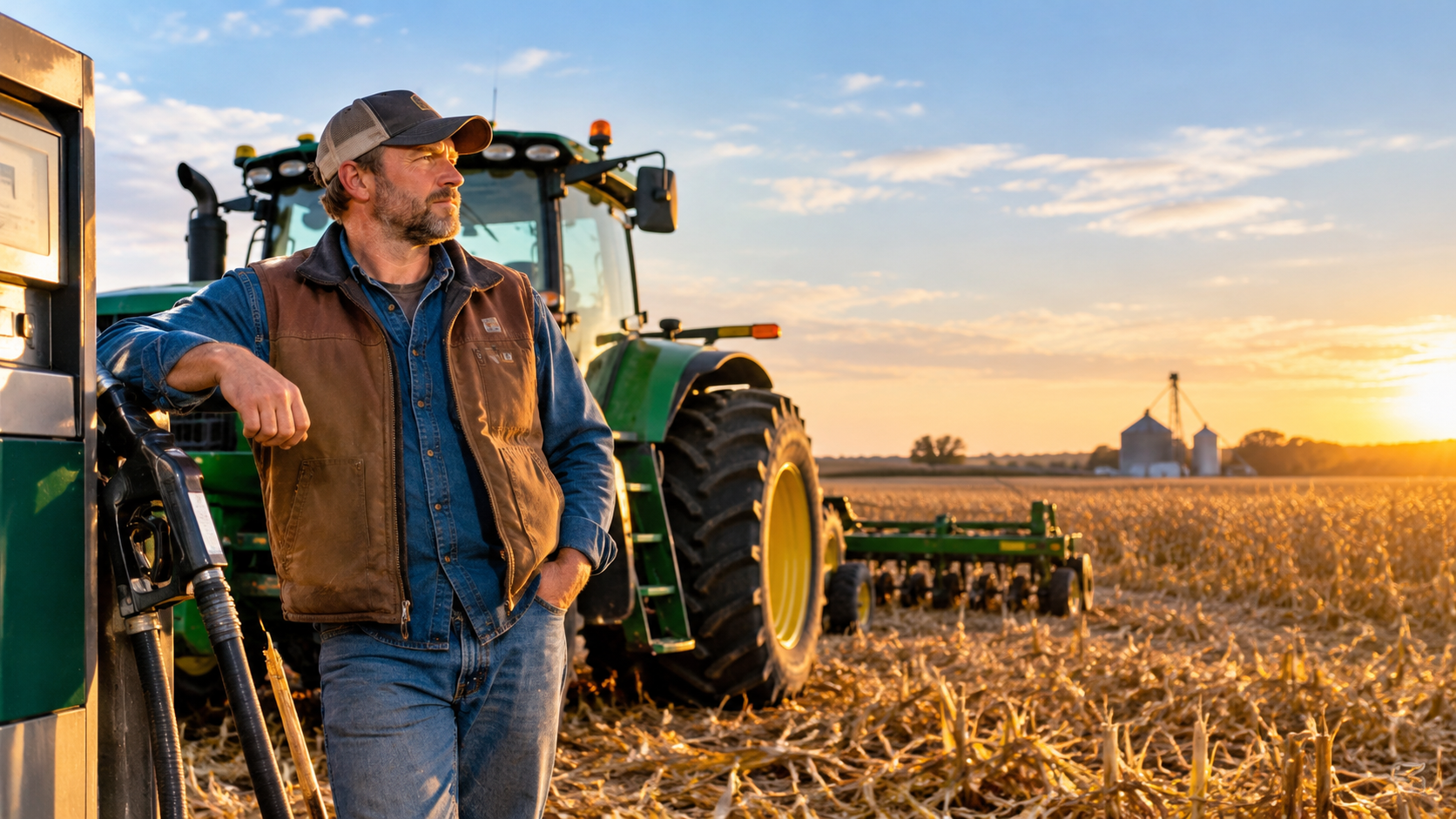
American farmers could receive additional financial support following President Donald Trump’s announcement of an $8 billion relief program designed to help cover rising diesel costs and other agricultural expenses.
The announcement comes at a critical time for farmers preparing to harvest their crops. Fuel is an essential part of modern farming, powering tractors, combines, and other machinery used to plant, maintain, and harvest crops.
With global energy market disruptions putting pressure on fuel prices, the proposed assistance aims to reduce some of the financial challenges facing agricultural businesses.
According to Fox Business, Trump announced the Harvest Fuel Relief program during a rally in Kansas on October 19, 2026. The program is intended to provide targeted support to farmers during the 2026 harvest season.
What Is the Harvest Fuel Relief Program?
The Harvest Fuel Relief program is an $8 billion initiative announced by the Trump administration to help American farmers manage higher diesel costs and other increased farming expenses.
Agricultural operations depend heavily on fuel. Farmers need diesel to operate tractors, harvesters, trucks, and other equipment required to bring crops from fields to market.
When fuel prices rise, the cost of running a farm can increase significantly. These additional expenses can put pressure on farmers who are already managing spending on seeds, fertilizers, equipment, labor, and transportation.
The new program is intended to provide financial assistance during the harvest period, when many farms rely heavily on machinery and fuel.
The US Department of Agriculture is expected to oversee the program through the Farm Service Agency.
Why Rising Diesel Prices Matter to American Farmers
Diesel fuel plays a major role in American agriculture. From preparing fields to transporting harvested crops, many farming activities depend on machinery that consumes fuel.
When diesel prices increase, farmers may face higher operating expenses at several stages of production.
For example, a farmer harvesting a large area of corn or soybeans may need to operate heavy machinery for long hours. Higher fuel costs can make each day of harvesting more expensive.
Transportation can also become more costly when trucks are needed to move crops from farms to storage facilities, processing plants, and markets.
These expenses can reduce the money farmers retain after selling their crops.
The effect may be particularly challenging for smaller farming businesses that have fewer financial resources to absorb sudden increases in operating costs.
How Much Money Will Individual Farmers Receive?
One of the biggest questions surrounding the announcement is how much each eligible farmer could receive.
The $8 billion represents the total funding announced for the program. It does not mean that every farmer will receive the same amount.
According to Fox Business, assistance will be calculated using factors including planted acreage, estimated production costs, crop yields, and prices during the 2026 crop year.
The USDA is expected to release payment rates for specific crops in November 2026. These rates should provide farmers with a clearer picture of the potential assistance available to them.
Until the relevant payment rates and eligibility details are published, individual farmers should avoid assuming a specific payment amount.
Farmers seeking accurate information should monitor official USDA announcements and contact their local Farm Service Agency office for guidance.
How Does the New Funding Compare With Earlier Farm Assistance?
The latest announcement follows earlier financial support for American agriculture.
These programs serve different purposes, so their funding amounts should not automatically be treated as a single payment available to every farmer.
The new Harvest Fuel Relief program specifically targets pressure associated with diesel prices and other increased production expenses during the harvest season.
For farmers, the practical impact will depend on program rules, individual circumstances, and the payment rates ultimately announced.
When Will the USDA Announce Payment Rates?
The USDA is expected to release crop-specific payment rates in November 2026.
These rates are important because different crops and farming operations can have different production costs and financial circumstances.
Farmers should follow official USDA updates for information about payment calculations, eligibility requirements, application procedures, and payment schedules.
It is also important to distinguish between the announcement of a funding program and the actual receipt of financial assistance. The announcement alone does not establish when an individual farmer will receive money.
What Could the Relief Mean for the Agricultural Industry?
If the program delivers meaningful support, it could help eligible farmers manage some of the additional costs associated with the harvest season.
Financial assistance may help farming businesses maintain operations while dealing with expensive fuel, equipment use, and other production expenses.
However, the overall impact will depend on how the funding is distributed and how much eligible farmers receive.
The program also highlights a wider challenge facing agriculture: farming costs can be affected by events far beyond an individual farmer’s control, including changes in global energy markets and supply disruptions.
For consumers, developments in agricultural production costs are worth watching because farming expenses can influence the wider food supply chain. However, the announcement alone does not establish that grocery prices will rise or fall.
What Should Farmers Do Next?
Farmers interested in the program should take several practical steps.
First, follow official USDA announcements. The department is the key source for confirmed program information and payment rates.
Second, keep accurate farm records. Documentation relating to planted acreage, crops, production costs, and other relevant information may be useful when reviewing eligibility and payment calculations.
Third, contact the local Farm Service Agency office. Farmers can seek clarification about official requirements and the procedures that apply to their operations.
Finally, avoid relying on unconfirmed payment estimates. The amount available to each farmer will depend on the program’s official rules and applicable payment calculations.
Final Thoughts
President Trump’s $8 billion Harvest Fuel Relief announcement brings renewed attention to the financial pressures facing American farmers as diesel costs affect harvest operations.
The program is intended to help eligible agricultural businesses manage rising expenses, but the amount individual farmers receive will depend on the official payment calculations.
With crop-specific rates expected in November 2026, farmers and agricultural industry observers will be watching for further details.
Do you think the $8 billion relief program will provide enough support for American farmers facing higher diesel costs? Share your thoughts in the comments.
Frequently Asked Questions
1. How much farm relief has President Trump announced?
President Trump announced an $8 billion Harvest Fuel Relief program intended to help eligible American farmers manage rising diesel costs and other farming expenses.
2. What is the Harvest Fuel Relief program?
It is a farm assistance initiative designed to provide targeted financial support during the 2026 harvest season.
3. Will every farmer receive the same payment?
Not necessarily. Payments are expected to be calculated using factors such as planted acreage, production costs, yields, and crop prices.
4. When will the USDA announce crop-specific payment rates?
The rates are expected to be announced in November 2026, according to Fox Business.
5. Where can farmers find official information?
Farmers should consult the US Department of Agriculture and their local Farm Service Agency office for official program updates.